
Whoa! Seriously? Yeah — a browser wallet that tries to be useful instead of just pretty. Long story short: DeFi is messy and browser extension wallets are where most people connect to dApps, trade, and approve tokens, so UX and safety matter a lot. My instinct says wallets that focus on transaction clarity and multi-chain support are the ones worth a look. OK, then—let’s unpack why Rabby shows up on more people’s radars, what to watch for, and how to get it safely.
First impressions are important. Rabby aims to be a multi-chain, extension-based wallet that reduces friction for frequent DeFi users while adding guards against common mistakes. That sounds good on paper. On the other hand, lots of wallets promise the moon. Hmm… something felt off about the hype cycle early on. Initially I thought a flashy UI would be the win, but then realized that the small, practical safeguards actually matter more during real trades—gas token selection, smart approval handling, and clear transaction breakdowns. Really? Yep.
Here’s what bugs me about many wallets. They show a gas fee and a total, and you sign without context. That is very very important to fix. Rabby attempts to show more context before you sign. It also bundles multi-chain support so you can manage Ethereum, Layer 2s, and other networks from one extension. That convenience is handy, though convenience can be a vector for risk if you’re not careful. (Oh, and by the way… keep your seed backed up.)
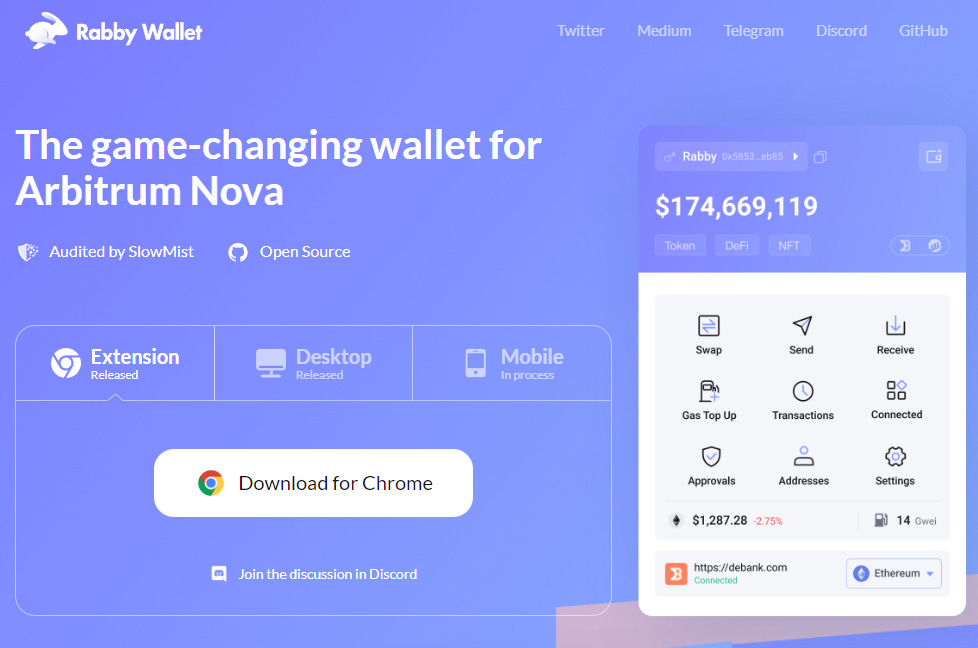
How Rabby fits practical DeFi workflows (and where to be cautious)
Okay, so check this out—if you spend time swapping, bridging, or interacting with complex DeFi contracts, you want a wallet that reduces cognitive load and highlights danger points. Rabby focuses on transaction details, approval management, and multi-account handling. Some users like that it separates account types and makes it clear when a dApp is requesting allowances. I’m biased, but that clarity helps avoid the classic approve-everything mistake that has burnt many wallets.
Download from a trusted source only. Seriously. The safest route is to verify official channels before adding any extension. For convenience, an official-looking mirror for Rabby is available here: https://sites.google.com/cryptowalletextensionus.com/rabby-wallet-download/. Do not paste your seed phrase into any site ever. Never. Not into a form, not into a chat, not into somethin’ sketchy on your desktop.
Practical tip: connect with a hardware wallet for large balances. A browser extension plus a hardware signer gives the UX you want and the signing security you need. On one hand, extensions improve speed; on the other hand, they raise the attack surface—though actually, when paired with Ledger or similar devices, the risk drops a lot. Initially some people dismiss hardware as clunky, but in my view it’s worth the friction for real funds.
Transaction simulation and approval trimming are the two features I watch for. If a wallet can show you what a contract call will do before you sign, that’s huge. Some wallets include a built-in simulation layer or integrate third-party services that analyze calls. Rabby advertises similar protections. Still, no tool is perfect; you should cross-check large or unusual transactions with block explorers or dedicated security scanners when in doubt. Hmm, and double-check chain selection before approving—chain mismatch is a common pitfall.
Let me be blunt: phishing extensions exist. They mimic the real thing. So check the extension publisher, verify the link from multiple trusted sources, and read recent user feedback. If you ever see prompts asking for your seed phrase or keys, leave immediately—close the tab, kill the extension, and consult support docs. I say that because people panic and paste seeds into “recovery” pages during scams. Don’t.
Another practical layer is multi-account hygiene. Use separate accounts for yield farming, NFTs, and everyday testing. That reduces blast radius. Rabby makes it easy to switch accounts and to label them, which seems small but matters. Labels stop accidental sends to the wrong account during busy trading sessions. Also, approval management tools—revoking allowances from time to time—are a habit worth cultivating.
Performance and privacy matter too. A wallet that constantly queries lots of endpoints can leak usage patterns. Some extensions strive to minimize telemetry. If privacy is a concern, dig into the permissions the extension requests. If an extension asks for permissions beyond what a wallet should need, that’s a red flag. Really—permissions are telling.
FAQ — Quick practical answers
Is Rabby safe to use for everyday DeFi?
Short answer: it can be, if you install it from a verified source and follow best practices. Medium answer: combine the extension with a hardware wallet for large funds, keep seed phrases offline, and use allowance management to minimize exposure.
How do I download Rabby securely?
Use the official download link or verified app stores, check publisher metadata, and confirm via community channels before installing. The download mirror here is a place to start: https://sites.google.com/cryptowalletextensionus.com/rabby-wallet-download/ (one link only). Also avoid installers sent over social DMs or unfamiliar sites.
What features should a DeFi power user care about?
Transaction clarity, approval controls, multi-chain management, hardware wallet integration, and transaction simulation. Good UX reduces mistakes. Good guards reduce losses. Both together are the goal.
Look, I’m not claiming perfection here. There are trade-offs. Extension wallets are convenient and powerful, and that duality is what makes them both great and dangerous. On the whole I prefer wallets that nudge me away from risky approvals and that make chain context obvious. That little nudge has saved users from costly mistakes before. Initially I thought alerts and warnings would be annoying, but then I realized they act like a second pair of eyes during stressful trades. Honestly, that comfort is underrated.
Final practical checklist before you click “Add to Chrome” or “Connect”: verify the source, check permissions, use a hardware wallet for serious funds, trim approvals regularly, and label accounts. Keep a small hot wallet for day-to-day moves and keep the bulk cold. It sounds basic, but basics win in crypto. I’m not 100% sure you’ll avoid every scam—no one can promise that—but these patterns reduce risk by a lot.
Okay—so if you’re curious, give the download link a cautious look and cross-reference. Take a breath. Do your checks. And remember: convenience is a feature; caution is a habit. Somethin’ tells me you’ll sleep better that way…